Saturday, March 27, 2021

Community Homeowners Associations and Pool Monitor Services

Tempe ArizonaCommunity Homeowners Associations and Pool Monitor Services


By: Melissa Swanson

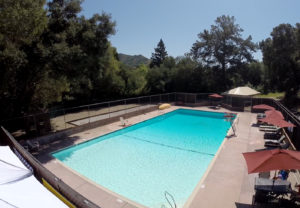
If you’re a community manager or part of a board of directors for a planned Homeowners Association community, you may be wondering what to do about the community swimming pool with the quickly approaching summer season. Due to the pandemic, our lives and lifestyle have been completely uprooted from days where we didn’t have to wear masks and maintain social distancing to now, all avenues of facility layout and operations need to be taken into consideration prior to reopening. 


With that being said, our team has focused on designing reopening strategies for safe and efficient pool management and operations. Our strategies include community pool and reservation systems for our HOA communities so that our children can regain health and exercise outside in our beautiful swimming pools. 


Before we dive deep into the specifics of our pool monitor services it’s important that I begin with explaining the vital distinction between what a pool monitor is and what a lifeguard is so that you have a clear understanding of the legalities. A pool monitor is not a certified lifeguard and does not have the means to rescue active or passive victims in or out of the water. If someone is actively drowning in the pool, a pool monitor does not have the skills nor are they certified to rescue. It’s best practice that pool monitors are First AID/CPR certified. Perhaps your pool has signage indicating no lifeguard on duty so your sole interest is in the pool monitor service. 


First question you may be wondering is, what does a pool monitor do and why does our Homeowners Association need one at the community pool? Well, to break down some items for you to think about, ask yourself: what is your maximum pool occupancy? What is your anticipated daily number of bather?  How much furniture and pool equipment do you have on deck and what are the flow charts to maintain safe social distancing? What areas will you allow open and will your guests be utilizing any equipment? How often will chairs and tables be used and who will clean them after one person leaves and another person sits down? Are chairs, tables, railings and ladders considered high touch surface areas? How often do these areas need to be sanitized and disinfected? What kind of cleaning schedule will we be on? Who will supply the cleaning supplies and what kind of cleaning supplies are CDC approved in fighting viruses? What about items like kick boards and pool noodles? What if our community has a water feature such as a splash pad for the kiddos, are we allowed to open those? The list goes on and on. 


After reading this, if you’re thinking we don’t need to worry about this, not many people use our community pool. Just remember that people have been cooped up inside and our urging to be outside. If you’re not prepared and someone gets sick or complains that the pool was not covid ready, can your HOA be held legally responsible? 


Our pool monitor services break down all of these important questions into specific policies and procedures for opening morning, mid-day and closing shifts. We have created policies for social distancing and PPE including a custom community pool website that includes making reservations at the pool to maintain the correct occupancy levels. Reserving lanes for lap swimming or open areas are all vital to keep an orderly and safe environment. 


Policies for sanitizing and disinfecting high touch surface areas which include periodic closures of the entire aquatics facility: decks, locker rooms, and community pool in between each group that desires to use the pool. We purchase and place signage and markers at entrances and exits to maintain a one directional flow of traffic. We restock items such as hand sanitizer stations. We actively monitor high touch surface areas to mitigate risk of infection.  Pool monitors also ensure pool rules are being followed while welcoming, checking in guests, and ensuring compliance with CDC guidelines.


Our aquatics company would love to help your community association with your pool monitor services. However, if your board wants to do this yourself, take some of these items within this article to come up with a plan. Be ready.  What’s most important is to maintain a proper occupancy level and have a regular and consistent cleaning schedule. If your community has hundreds of families and you live within a hot climate zone be prepared for a very busy pool which can mean potential liability of spreading covid-19. 


Be diligent and smart about your plans, it’s very possible that we can safely open our pools. Your residents most likely can’t wait to return to a somewhat normal lifestyle. Now is the time to start thinking about these things or to contract this out to a reputable, insured company that has direct experience with aquatics. 


We are here if you need us. 


This article is brought to you by The Swimming Swan


from Swim Lessons and Private Lifeguard Services https://theswimmingswan.com/community-homeowners-associations-and-pool-monitor-services
via https://theswimmingswan.com

Thursday, March 18, 2021

The Difference Between Lifeguards and Pool Monitors

The Ranch at Little Hills


The Difference Between Lifeguards and Pool Monitors/Attendants

By: April Quinones,

The terms lifeguard and pool attendant/monitor are commonly interchanged with each other. However, there are significant differences between the two job descriptions. 

In this article, we will discuss the differences between the two: the duties, roles, and responsibilities of each.

Lifeguards

The primary role of a Lifeguard is to supervise, monitor and to rescue in the event of an emergency. They are in charge of ensuring that all the patrons follow the safety measures and rules to prevent injuries and other water accidents.

Lifeguards can be employed by pool administrators, hotels and resorts, beach administrators, and other recreational or community establishments with aquatic activities. Best Practice: When theres bodies of water – lifeguards should be staffed and on patrol.

Facilities with outdoor pools and beach administrations mostly hire lifeguards depending on the season- for example, during the summer. On the other hand, institutions with indoor aquatic activities tend to hire lifeguards throughout the year.

On large beaches, you will often find several lifeguards employed and working during the same time to cover numerous uses and a wide area. In this case, the employed lifeguard works as a team coordinated by the Chief Lifeguard.

Main Responsibilities of a Lifeguard

Here are the main responsibilities of a lifeguard:

  • Monitoring and patrolling beaches and pool areas

When monitoring and patrolling, they need to

    • Look out for any infractions and safety hazards
    • Observe the beach or pool users activities in certain areas
    • Enforce safety procedures
    • Prevent users from getting in the water during bad weather conditions
    • Check the environmental conditions such as tides and the weather to prevent hazards
    • Warn users of any potential hazards or safety procedures
    • Practice preventative lifeguarding skills to avoid injury or accidents from occurring
  • Inspecting the recreational equipment

The lifeguard’s role is to inspect the recreational and rescue equipment such as diving boards, ropes, and the floatation device. They review the gear to ensure they are in working condition. After inspection, they need to write up a report on the state of the equipment. If any equipment needs replacement or repair, they should include it in the report.

  • Clean the area and maintain the quality of water

For the most part, a Lifeguard is responsible for ensuring pool decks are clean and tidy and that the quality of water is maintained. This may include organizing deck chairs and tables, removing any objects from the water, testing the chemicals in the pool and making necessary adjustments to the chemical levels if needed.

  • Respond to emergencies 

The lifeguard should respond to any emergency in a timely way. That is:

    • Examine distressed active or passive water users and assess their situation
    • Rescue any distressed users and carry them to a safe location
    • Activating the alarm  (EAP) when need be and closing the beach or swimming pool in the case of an extreme emergency
    • Assisting the victim to the best of their availability which might include CPR and the use of an AED.
    • Leading the evacuation of an area if necessary, e.g., due to natural disasters or a fire in the building
  • Write and file reports

It is the role of a Lifeguard to write and file reports on the current condition of the beach or pool, any case of emergencies, and any other relevant information.

  • Take part in demonstrating safety procedures

A lifeguard can do this by demonstrating to the public or by teaching swimming lessons.

Daily Tasks

The day-to-day activities of lifeguards include:

  • Assembling necessary equipment and supplies needed during a rescue
  • Closely monitoring activities in the beach and pool
  • Call-out infractions or irregularities to ensure the water users comply with set safety rules
  • Monitor weather conditions and other aspects such as tides
  • Check and regulate the level of chemicals in the pool
  • Clean the beach or pool area
  • Promptly respond to emergencies
  • Administer first-aid or CPR when needed
  • Demonstrate and educate on safety procedures.

Skills 

Here are some of the essential skills that a lifeguard must posses: 

  • Excellent physical condition

You need to be healthy and free of any respiratory issues. Be an excellent swimmer and be in a position to carry any distressed swimmer away from the water.

  • Good communication and interpersonal skills

To be a lifeguard, you need to convey safety instructions to the users concisely and calmly. You need to call out infractions and other irregularities in an authoritative yet respectful tone. Also, you need to be able to explain any emergencies or injuries to medical personnel.

  • Strong awareness and observation skills

One of your roles is monitoring the users to check for any distressed users. Thus, you need to be in a position to monitor the activities of numerous users. Look out for possible safety violations and have a sharp eye to notice any emergencies that may arise.

  • Good decision making and stress handling skill

You need to notice an emergency, assess it according to the procedure, and attend to it calmly.

  • Excellent teamwork

Sometimes you will be needed to work alongside other Lifeguards. Thus, you need to be a good team player and work alongside other team members. 


Pool Attendant/Monitors

A pool attendant is hired by a water facility to maintain the pool and the surrounding area. Thus, they maintain the facility. They are primarily responsible for ensuring the safety and enhanced comfort of the pool guests. 

Their role is to hand out towels if applicable and ensure the guests follow the set safety rules and renting pool equipment. If need be, they serve as a backup for lifeguards. They are responsible for ensuring the area surrounding the pool is clean, gathering the clean towels, greeting and welcoming the guests, and answering any questions the guests or users may have.

Duties of a Pool Attendant/ Monitors:

  • Greet guests upon arrival and check them in
  • Make sure social distancing guidelines are being followed
  • Sanitize and Disinfect areas of the pool in between groups of swimmers
  • Ensure the area around the pool is clean
  • Create a good guest relationship by regular engagement and supervision.

Requirements to Serve as a Pool Attendant

Due to the inherent danger in waters, pool attendants are needed to:

  • Have basic first-aid training
  • Should be proficient swimmers
  • Great communication and interaction skills
  • Willingness to learn 
  • Outgoing nature to help them interact with the guests

Differences Between a Lifeguard and Pool Attendant

Having looked at the job description, tasks, and requirements for each, you have probably noticed some of the differences. While a lifeguard can also serve as a pool attendant, a pool attendant cannot assume a lifeguard’s role. Here are some differences between the two:

  • Job Description

A pool attendant is hired as facility coordinators. Their main role is to ensure the cleanliness of the surrounding area and the pool or beach and that clients are comfortable. On the other hand, a lifeguard’s main function is to ensure the pool or beach users’ health and safety.

  • Assisting Guests

It is the role of a pool attendant to ensure the guests are comfortable. Also, they should help the guests with any issues that may come up. They hand guests chairs, towels, and anything else that the guest might need. Contrary, a lifeguard must never abandon their posts unless there is another lifeguard to hold their position. 

Thus, if a guest needs any assistance, a lifeguard will direct them to a pool attendant. A lifeguard needs to monitor the pool area without attending to guests unless in distress.

  • Handling chemicals

Depending on the recreational facility, a lifeguard can help test the water and maintain the optimal chemical level. However, the lifeguard’s role is to ensure that the pool remains clean and safe for users. 

Meanwhile, a pool attendant can help take an occasional chemical reading of the water. However, not all pool attendants are certified to deal with pool chemicals. Thus, chemical levels should be left to the pool manager, AFO or CPO to handle.

  • Pool Maintenance

A lifeguard can opt to help clean and maintain the pool area during their free time or after their duty. However, during working hours, a lifeguard’s main role is to ensure the safety of the users by enforcing the facility’s safety rules. On the other hand, it is the main duty of a pool attendant to ensure that the pool area is clean and ready for use. 

  • Life-saving

 A lifeguard should always be ready to respond to any emergency cases to save the swimmers’ lives. Lifeguards are trained in CPR/First-aid/AED and how to monitor the safety of the guests. Thus, their main role in the beach or pool is to prevent injuries and drowning. 

On the other hand, a pool attendant may have basic life-saving skills and should be on standby to help the lifeguard when needed. However, while the lifeguard handles an emergency, a pool attendant must ensure the guests remain calm and receive any necessary services.

  • Enforcing safety rules

A lifeguard is tasked with understanding all the safety rules of the facility and enforcing them. It is their responsibility to monitor how the users are using the pool and ensure the swimmers are having fun safely. 

If the lifeguard notices anyone going against the rules, they must explain the rules and understand the rules that need to be followed for their safety.

Meanwhile, the pool attendant deals with guests very often. They can also remind guests about the rules and urge them to follow them. However, it is mainly the duty of the lifeguard.

Final Words

Now, you understand who a lifeguard and pool attendant is, their job descriptions, and the skills they need to possess. You now understand the difference between a lifeguard and a pool attendant/monitor. The main difference is that a lifeguard focuses on the users’ safety. 

In contrast, a pool attendant focuses on maintaining the area’s cleanliness around the pool and assisting guests with their needs. While a lifeguard can assume a pool attendant’s responsibilities, a pool attendant cannot take up a lifeguard’s role.

For more information on either our pool monitor services or lifeguard management services, please see: corporate services

This article is brought to you by The Swimming Swan


from Swim Lessons and Private Lifeguard Services https://theswimmingswan.com/the-difference-between-lifeguards-and-pool-monitors
via https://theswimmingswan.com

Everything you need to know about Lifeguards and the importance of having on at your Homeowners Association

Lifeguard Services


By: April Quinones,

Everything You Need to Know About Lifeguards and the Importance of Having One at Homeowner Associations

During warm weather, many homeowners association members look forward to having fun under the sun and taking a dip in the community pool. If your homeowners association or HOA has a pool that is accessible to your residents and their visitors, there are likely safety concerns for everyone who is using the pool. After all, safety should be a priority because serious accidents or injuries do occur.

Having a lifeguard on duty can help prevent these unfortunate occurrences. Nevertheless, hiring a certified lifeguard can be costly. That is why the HOA needs to weigh the advantages and disadvantages of hiring one and if there are other options on how to maintain pool safety.

If you are a board member or a concerned member of the HOA, you are probably wondering whether lifeguards are necessary to your community. In this article, we will tackle everything that you need to know about having an HOA lifeguard and why your community may need one.


Advantages and Disadvantages of Getting an HOA Lifeguard

A trained HOA lifeguard at your community pool can help prevent accidents and injuries from happening. Moreover, they can protect swimmers, especially children, from dangerous situations like drowning and death.

A lifeguard who is properly trained, certified and has the needed swimming abilities is more likely to know what actions to take in case an emergency occurs. Aside from making sure everyone is safe, they can also perform other pool tasks such as maintaining the pool, cleaning the area, and welcoming the guests if needed.

Lifeguards also ensure that swimmers follow the rules in using the pool to maintain a calm environment for all guests who want to relax and enjoy. Keeping an orderly pool where lap swimmers and bathers can coincide peacefully is key.

Depending on the size of your aquatics facility and the number of water features on-site such as slides, lazy rivers or splash pads, it might be in your communities best interest in obtaining lifeguard management services. Our company, The Swimming Swan very closely follows the MHAC, the Model Health Aquatic Code and we are Licensed Training Providers of the American Red Cross. It might be a good idea to have an on-site facility visit so we can walk through the facility and come up with a best practice plan. The larger the facility, the more risks.

For the disadvantages, professional lifeguards have all the training, required certifications and the good ones have insurance, so hiring one can be costly. Moreover, they are hard to find in remote areas and you might be tempted to get an untrained lifeguard that does not have the necessary skills, training or certifications needed. Consequently, they may not get the job done, and this will make your HOA liable in case of any problems.

What to Consider When Hiring an HOA Lifeguard

If you are still deciding if an HOA lifeguard is necessary for your community or not, here are some considerations you can take into account.

  1. Training and Certifications

As mentioned, one of the challenges of getting a lifeguard for your HOA pool is finding one that has all the needed training, certifications and someone who is insured. It is not recommended to just hire a teen to keep an eye out who does not meet the standards.

As you search for a lifeguard, you should keep in mind that not everyone is trained to be one. The last thing you want is to hire an untrained, uncertified and uninsured lifeguard as you may be prone to legal actions when an accident occurs. A good safety tip – make sure your lifeguards are doing quarterly in-services where they are practicing real-life skills at your facility such as Emergency Action Plans (EAP’s), make sure all zones are covered in the pool, and make sure your lifeguard is aware of what the steps are in case there is an emergency. Who contacts 911? Is there a designated phone line for emergency use? Do you have the proper equipment including an AED and backboard on-site in the event there is a spinal injury?

  1. Your State

Rules in hiring lifeguards may differ depending on the state. Therefore, it would be better to review the rules and consult a lawyer to have a better understanding of the options you have and the possible risks that may happen. Because of the responsibility they have, you should get a lifeguard that is trained, certified and insured.

  • Expenses

Many HOAs do not hire a lifeguard because of the costs associated with it. There’s a few items to keep in mind with costs – first, if you are hiring lifeguard management services through a reputable agency there are safety metrics in place and added insurance layers built in. This might help with the pool insurance costs.

  • Number of Residents

Depending on the resident population in your community, the number of pools and aquatic features you have – will directly relate to the number of lifeguards needed. We know you aren’t a seasoned aquatics professional which is why our team includes Aquatic Facility Operators who look at the site maps when developing the safety plan and perform on-site visits.

  • Liability

Before hiring or firing lifeguards in your HOA pool, it is a good idea to consult a legal expert. If an accident or other incident occurs, residents can file a legal case against your HOA, so having enough insurance coverage can come in handy.

When you assess the dangers of your HOA pool, you will notice that there are possible liabilities that can be easily seen while others may not. Some obvious risks are slipping, falling, or drowning. 

Others that you might overlook are pool chemical management, pool staff, and water quality. Knowing how to assess the risks is crucial so that you can address them as soon as possible if they arise.

How to Ensure Safety If There Is No HOA Lifeguard

If you think otherwise about hiring a lifeguard for your community pool, worry not! There are still other ways to keep the swimmers safe. They’re as follows:

  1. Create Your Policies

You must be familiar with the laws in your area since stipulations differ from every state. Some states have amended their regulations that require communities to have at least 2 lifeguards if they have pools bigger than 2,000 square feet surface area.

However, homeowner associations that don’t have one can create their own policies that keep the residents in check. The policies should let the residents know that they will be using the pool facility at their own risk.  It should also indicate that children should not swim without adult supervision.

Though this has always been the case, there have been modifications allowing municipalities to be stricter in enforcing the rules. Though there can be exemptions for the requirements, there should be no gray area. It means that it can either be completely exempted or not. Remember to comply with the requirements if you choose to hire a lifeguard.

  1. Hire a Pool Monitor

If you cannot find a lifeguard or your budget does not allow it, your HOA can consider hiring a pool monitor. Pool monitors are tasked with checking registered guests in and making sure the CDC guidelines of social distancing are followed. They can also assist bathers by answering any questions, keeping the clean pool, and making sure that rules and regulations are followed. It’s very important to note that pool monitors are not the same as lifeguards. Therefore, you should not consider them as a replacement for lifeguards.

  1. Place Clear Signs

Besides, if you have a pool monitor, your HOA is still required to have clear signage that there is no lifeguard. Though these rules are self-explanatory, it is best to remind the people through prominent signs about them. Some people are argumentative, so they would find ways to blame someone for their mistake or for the mistake of someone they know. 

If there are no signs, they can argue that the pool management should have informed them of things like the pool is slippery or that children should not be allowed to run.

The sign should be seen clearly by swimmers. 

Also, there should be signs that prohibit children from going to the pool without an adult supervising them and signs saying that adults are not allowed to swim alone. You can also include these signs, among others:

  • No pushing into the pool
  • No diving
  • No glass bottles around the pool
  • No swimming after drinking alcohol
  • No electrical gadgets allowed in the pool area
  • No swimming when raining

Also, HOA members ought to make their policies about using the pool unattended. These policies should make swimmers understand the risk of using the pool and parents and guardians are accountable for the safety of their children. If there is an emergency, swimmers can call 911 right away or reach out to the HOA management. Also, one of the rules is that all residents sign a release of liability document each year.

As required by the law, it is recommended to post a lot of signs such as “Swim at Your Own Risk” or “No Lifeguard on Duty.” After the operating hours, make sure that the pool area is secured. It is also best to always remind swimmers of pool safety so as to avoid any sudden accidents. 

Conclusion

Finally, you have a better understanding of the importance of an HOA lifeguard. Deciding on whether to hire one or not depends on the situation of your community.

Before you decide, you should take note of the pros and cons to consider when hiring an HOA lifeguard. If you cannot hire one, keep in mind that there are liabilities. Nevertheless, there are actions that you can take to prevent this from happening as aforementioned. 

For more information, please see: Lifeguard Homeowners Association services.

This article is brought to you by The Swimming Swan 


from Swim Lessons and Private Lifeguard Services https://theswimmingswan.com/everything-you-need-to-know-about-lifeguard-and-the-importance-of-having-on-at-your-homeowners-association
via https://theswimmingswan.com

Wednesday, March 3, 2021

Increase in pool purchases leads to drowning fears by pool experts

By: Jamie Travers as seen on Fox2now

ST. LOUIS – February is not a time most people are thinking about the pool, but they should be. Experts in swimming safety are worried that we are going to have a ‘drowning epidemic’ due to the increase of pools from the COVID lockdown.

Reuters reported last summer that the pool industry’s trade group expected a 10 percent increase in sales, with talk that orders last summer wouldn’t even be installed until 2021.

While we still have a few months before outdoor pools open up, now is the time to get your children in swim classes, well ahead of the summer season or any summer vacations you have planned.

Birch McMullin, water safety expert and franchise owner of British Swim School in Chesterfield, says learning to swim isn’t like riding a bike.

“Think of it more along the lines of learning piano or learning a new language or learning math. It does take a while to teach these skills to children. Especially again, the youngest kids are learning mostly through muscle memory,” he said.

He says it takes repetition and consistency to lock those skills in.

Drowning happens incredibly fast and is silent and is the number one cause of death for kids 1 to 4 years old and the number two cause of accidental deaths for kids 5 to 9.

“The statistics are for every fatal drowning you have there are another five who go to the emergency room to be treated for that and of those about half of them require further hospitalization,” said McMullin. “So even the non-fatal drownings can have truly catastrophic long-term effects on the children.”

However, drowning is the most preventable of the accidental causes of death.

“It could be completely out of the top ten with some simple preventative measures,” he said. “Swim lessons are one of the key pieces. Formal swim lessons can reduce the risk by 88%.”

This is personal for McMullin. When he was a 5-year-old, his 22-month-old brother died in a drowning.

“There were probably people standing 4 or 5 feet away from him when he went in. No one heard it, no one saw him, by the time they found him he was already unconscious,” he said.

Lessons can start as young as 3 months old.

“We’re already starting to teach kids how to if they fall in the water how to roll over and float on their backs the value of that is if they’re on their backs obviously they can breathe first and foremost, but they can also call for help,” said McMullin.

These skills save many lives and McMullin loves the good calls he gets from parents.

“We were on vacation. My kid went down the water slide and the splash pool was deeper than they thought and they couldn’t stand up and they popped up and rolled over and floated and got themselves over to the side and they were fine,” he said.

More from our Founder, Melissa Swanson –

Swimming Lessons are vitally important for everyone no matter how young or old you are. The past year has taken many of life’s luxuries away as our families have remained inside and isolated due to the pandemic, covid-19. Kids have been out of school and are most eager to resume normalcy this coming summer and we must stay vigilante in keeping our children and ourselves safe.

Whether you are interested in participating at the recreational level or are interested in group swimming lessons – make it happen! Join the class and get your kids involved.


The post Increase in pool purchases leads to drowning fears by pool experts first appeared on Swim Lessons and Private Lifeguard Services.

from Swim Lessons and Private Lifeguard Services https://theswimmingswan.com/increase-in-pool-purchases-leads-to-drowning-fears-by-pool-experts
via https://theswimmingswan.com

Wednesday, February 24, 2021

Why Should Parents Start Learning How to Swim?

By: April Quinones

Besides being a popular competitive sport, swimming is also a great recreational activity with multiple physical and mental health benefits. One of the best things about this activity is that you get to enjoy doing it alone or even with friends and family.

However, just like any other activity, it also poses many risks that can even cost lives. This is especially true in the case of children swimming alone. According to the World Health Organization, drowning ranks 3rd in the main reasons for unintentional injury death worldwide. Since many children enjoy swimming as one of their favorite activities, parents must learn how to swim so that they can prevent accidents and possibly death.

Is it too late for parents to learn how to swim?

It is never too late for parents to learn how to swim. Parents can set a specific day when they can learn how to swim if they lead busy lives. Indeed, a few hours will not hurt their regularly scheduled activities.
In fact, many sports clinics offer swimming lessons for adults at nighttime. You can try to ask your local sports clinic if they have one.

If you can’t leave your children at home, why not learn it together? Swimming is actually a fantastic family activity. You and your loved ones can take a class together to strengthen your bonds with each other.
It may take a little while to get used to the water, but any parent can learn how to swim eventually with constant practice. You don’t need to be a swimming prodigy since you are not doing it to compete in tournaments.

The Dangers of Not Knowing How to Swim

A simple family day at the beach or at the pool may turn into a disaster when children are left to swim on their own. Many reported cases where unsupervised children drowned or nearly drowned just because no one could save them.
There were also cases where parents could not save their children from drowning just because they don’t know how to swim themselves. This one is tough because the parents might blame themselves, which can be harmful to their mental health.

Accidents can happen to anyone anytime and anywhere. That is why it is better to be prepared for what is to come than to be sorry later. If you can still do something about it, you better do it now. If you don’t know how to swim, it’s best to learn how to do so now. You will never know when you are going to need it as an individual and as a parent.

Why Parents Should Start Learning How to Swim

Swimming is an essential skill that any parent should be aware of and capable of. It will be easier for the parents to get through the water once they learn how to swim. Aside from this, there are a variety of essential reasons why parents should learn how to swim.

As mentioned before, children love to go to the pool or beach, especially during the summer. Sometimes, it is hard to check on everyone in your family when you are also busy preparing the food and the area where you will be staying.
Even though the swimming area may have a lifeguard on duty, parents should not be too complacent. Lifeguards check on everyone swimming in the area. Still, a pair of lifeguards are not enough to keep an eye on everyone playing in the water. If ever an accident happens, a lifeguard can only save one or two persons at a time which is why parents need to be able to swim. In times of emergency, a parent who knows how to swim will have the advantage. Besides saving your child’s life, you can also save others’ lives just because of your skill.

Another notable reason parents need to learn how to swim is to give them full supervision of the kids while they are in the water with their children. Most parents who don’t know how to swim would rather stay at the side of the pool or at the cottage. That is why they can’t always keep an eye on their children. They get distracted by other things and tend to forget about their children. However, when parents know how to swim, they can stay in the water and supervise their children. So, once trouble happens, the parent can quickly reach their kids.

Next, when parents know how to swim, they can easily teach their children as well. This teaching moment can also serve as another way to get closer to their kids. It is a fun way to enjoy quality time for the whole family, strengthening their relationship with each other. Lastly, as mentioned in the beginning, swimming is suitable for both physical and mental health. Learning how to swim helps build lung endurance for the parents. This is important because children have high endurance no matter what they are doing under the sun. With a proper breathing pattern, the parent will not quickly get tired from swimming. So, they can last a long time in the water with their kids.

Swimming is a great way to build good physical and mental health. It can also help strengthen the parents’ endurance when playing with kids in the water. When parents learn how to swim, they have a better edge in saving their kids just if an emergency happens. Since they can stay in the water, they can also supervise their children better than those parents who don’t know how to swim.

Learning how to swim is also a fun way to strengthen connections with the whole family. When parents can keep up with their kids’ wants and needs, they can have fun and grow together. Always remember that danger is everywhere, and accidents don’t spare anyone. When you as parents learn how to swim, you are more prepared on what to do just in case an accident happens.

If you are a parent interested in at home swimming lessons for adults, please see our adult swim lesson programs here.

This article is brought to you by: The Swimming Swan 

The post Why Should Parents Start Learning How to Swim? first appeared on Swim Lessons and Private Lifeguard Services.

from Swim Lessons and Private Lifeguard Services https://theswimmingswan.com/why-should-parents-start-learning-how-to-swim
via https://theswimmingswan.com

Tuesday, November 10, 2020

The Swimming Swan, 6 years later. Featured in ShoutOut Socal

This article is brought to you by: Shoutoutsocal

We had the good fortune of connecting with Melissa Swanson and we’ve shared our conversation below.

Hi Melissa, do you have a favorite quote or affirmation?
One of my favorite quotes is by Maya Angelou, “Do the best you can until you know better. Then when you know better, do better.” This quote resonates beauty, simplicity and truth. Professionally; there are many mistakes, uncertainties and fears that arise from starting your own business and when I feel overwhelmed, I tend to come back to Maya’s teachings. Work hard, be kind to yourself and continue doing what you love all the while getting better as you go. This quote not only speaks volumes in business but also on a personal level. Doing things with integrity and following ones’ heart I believe, is the path to success no matter the financial gain.


Alright, so for those in our community who might not be familiar with your business, can you tell us more?
The Swimming Swan is a private aquatics company that services communities across the country. I am most pleased with the way we have expanded into new markets and the capabilities we have for further expansion. The fundamentals of our expansion revolve around our technology platform and our core belief of providing water safety to our clients. What sets us apart from others is the intangibles; our business ideals mirror my own and thats saving lives. It hasn’t necessarily been about the quarterly gains, we are more focused on the well-being and safety of our communities and in doing so, our company has evolved to service corporate entities, municipalities, non-profits and more. It’s absolutely remarkable to think about the last 6 years and how far we have come. Our story originated from a near drowning experience, a child who didn’t know how to swim and was resuscitated. Our story happens across the country to countless children and adults. We are making a difference and thats what matters. Was it easy? No, this was the hardest endeavor I have ever done in my life. If I stop working hard, if I lose focus – the company suffers. What is most important is to keep going, to recommit to the mission and to do better, always. A big part of our success is our growing partnerships. We started with at-home swim lessons for kids that needed one-on-one instruction, to now being focused on working with large communities of people. From swim lesson programs to lifeguard services and certification programs for the public such as CPR and First Aid. We are open for business, we are ready to help our clients with peace of mind knowing that their patrons are safe. To the mothers and fathers that need our services to get their kiddo’s swimming, we are here for you.


Any places to eat or things to do that you can share with our readers? If they have a friend visiting town, what are some spots they could take them too?
If my best friend was visiting; it would be a week full of laughter and fun. First thing, we’d go on a hike. Either out to Mount Laguna or Ramona – cedar creek falls, perhaps. We’d then go for lunch in Julian and have some apple pie. We’d get a drink at culture in Encinitas and grab a quite bit to eat at the taco stand. We’d take my dog down to Coronado’s dog beach, get some sun and walk around. We’d most likely go up to Temecula and hit up some vineyards/wineries. Ive always loved Wilson Creek. We might head down to Rosarito or K38 and go for a surf, maybe spend the night down there. Definitely go to Splash Restaurant for some great lobster. And I would ask for her input of course; whatever she wants to do, is what we would do.


Who else deserves some credit and recognition?
A big, huge shoutout to my mother, Patricia. Without her love, guidance and support I would not be the woman I am today and The Swimming Swan, LLC would certainly not be where it is today either. Thank you for believing in me, always.

Website: www.theswimmingswan.com
Instagram: the_swimming_swan
Linkedin: https://www.linkedin.com/in/melissa-swanson-b4503987/
Facebook: facebook.com/theswimmingswan
Yelp: https://www.yelp.com/biz/the-swimming-swan-san-diego-3
Youtube: https://www.youtube.com/channel/UC2dq8HHcLNpCfVhiCFf2hQg

The post The Swimming Swan, 6 years later. Featured in ShoutOut Socal first appeared on Swim Lessons and Private Lifeguard Services.


from Swim Lessons and Private Lifeguard Services https://theswimmingswan.com/theswimmingswan-6yearslater-blog
via https://theswimmingswan.com

Wednesday, November 4, 2020

Is it Too Late to Start Learning How to Swim?

Is it Too Late to Start Learning How to Swim?

Many think that learning how to swim is only for children. However, it is never too late for you to learn how to swim even if you are already an adult. Besides, it is better late than never, and you are missing out on plenty of amazing experiences that involve swimming.

Why It’s Never Too Late to Learn How to Swim

As an adult, there are probably two main reasons why you don’t know how to swim yet. The first reason is if you have a bad experience relating to bodies of water, and the second is that you just never took the plunge to learn how to do it. Regardless of your reason, it is never too late for you to learn how to swim.

Here are some reasons why you should still learn how to swim even if you are an adult already:

  • A Life-Long Survival Skill

Swimming is an important life skill that will help save your life or others during dangerous situations involving water.

At one point in your life, you will be near a body of water or pool, and unfortunately, incidents that cause drowning can occur. This can happen to your family, friend, or worse, you. However, when you know how to swim, you will be able to save yourself or others and bring them to safety.

Furthermore, simply knowing how to swim will give you peace of mind when you are in the water. It will also help make your companion feel secure that in any given moment that danger presents itself, they don’t have to worry about you or that you have their back no matter what.

  • Excellent Cardio Exercise

Cardio exercises can be quite taxing to the knees and joints of the body, especially when you are getting much older. It’s a good thing that swimming is excellent cardio that does not impact the knees, which makes it a great alternative.

Swimming is also generally relaxing and enjoyable, especially when you do it with friends, so it will barely feel like a workout. This way, you are helping your body maintain its appropriate weight while working out your other muscles.

  • Fun and Exciting

The biggest reason why you should learn how to swim even if you are now an adult is that it is fun and exciting. Stop being the designated bag watcher and joining your friends and family in the water.

Benefits You Can Get From Learning How to Swim

Swimming has a long list of benefits, aside from being fun and enjoyable. Here are some of them:

  • Full Body Workout

The biggest benefit that you can get from swimming is an excellent full-body workout option. It allows your heart rate to increase without putting too much stress on your body.

Since it does not stress out the body that much, swimming is also excellent for individuals who are suffering from conditions such as arthritis. Even those who suffered previous injuries can use swimming as a workout without worrying about overexerting or re-injuring their injury.

By doing a swimming workout, you can also achieve toner muscles, improved endurance, and more strength in general.

  • Efficient Way to Get Rid of Excess Calories

If you are looking for a way to get rid of your excess calories, you should consider swimming. In fact, around 423 calories are burned by 160-pound individuals in just one hour of moderate pace swimming. This can even be double when the pace is more vigorous.

This is efficient because walking only burns 314 calories for a 1-hour walk with a pace of 3.5 mi/h. Although yoga is also an excellent activity, it does not burn as much as when you are swimming. You only burn around 383 calories in a single hour yoga session.

  • Improve Sleep and Mood

A study participated by adults who have insomnia shows that swimming may help improve sleep. Participants also noted that they now have better sleeping patterns after engaging in swimming workouts.

Swimming can help improve your mood too. Researchers did a 12-week aquatic program, and the results showed that the participants who suffered from dementias had lesser mood swings.

  • Stress Management

Since swimming is a physical activity, it helps stimulate the brain and encourage the production of neurochemicals. These neurochemicals are responsible for making your body feel good and lower stress levels.

Swimming also has a massaging sensation as the result of the movement of water. This helps encourage relaxation for the entire body.

  • Improve Brain Functions

Swimming is really helpful in improving brain function. Since it is an aerobic exercise, it strengthens your heart muscle and over time, making it much larger. This will then result in improved blood flow to the brain, allowing your body to function better.

This is why many experts recommend this activity to people who have ADHD or those who just have a hard time concentrating.

Swimming Statistics Facts

Do you want facts about swimming? Well, here are some interesting swimming facts that you might want to know about:

  • In the United States, over 15% of adults swim at least 6 times a year. Also, 1 in every 5 adults in the country does not know how to swim.
  • In children aged 1-4, the leading cause of accidental deaths is drowning.
  • 60% of drowning-related deaths happen in swimming pools.
  • 88% of people who drown in boating accidents were not wearing life jackets.

Final Words

No age limit tells you it is too late to learn how to swim. In fact, you can learn how to swim even when you are already in your 50s or 60s.

Swimming also has plenty of benefits. These include a healthy heart and lungs, combat obesity, slow down signs of aging, and improve blood and oxygen flow to the brain.

If you are an adult and don’t know how to swim yet, join a swimming class, and start learning. You will be amazed at how fun and beneficial it truly is.

For more information on our private swim lessons, please see our adult and senior swim pages.

This article is brought to you by The Swimming Swan

The post Is it Too Late to Start Learning How to Swim? first appeared on Swim Lessons and Private Lifeguard Services.


from Swim Lessons and Private Lifeguard Services https://theswimmingswan.com/is-it-too-late-to-start-learning-how-to-swim
via https://theswimmingswan.com